

Aged leads are older inquiries sold at a lower price. Learn how they differ from real-time leads, what conversion rates to expect, and how to work them.
Most lead buying is built around the first few minutes after someone fills out a form. Timing matters, and our look at how marketers use the lead maturity curve explains why many leads take longer to convert than buyers expect.
This article is about what happens after that window closes. Leads that are days, weeks, or months old still belong to real people with real needs, and they sell for a fraction of the price. Here is what aged leads are, how they perform, and how to decide whether they belong in your lead mix.
What are aged leads?
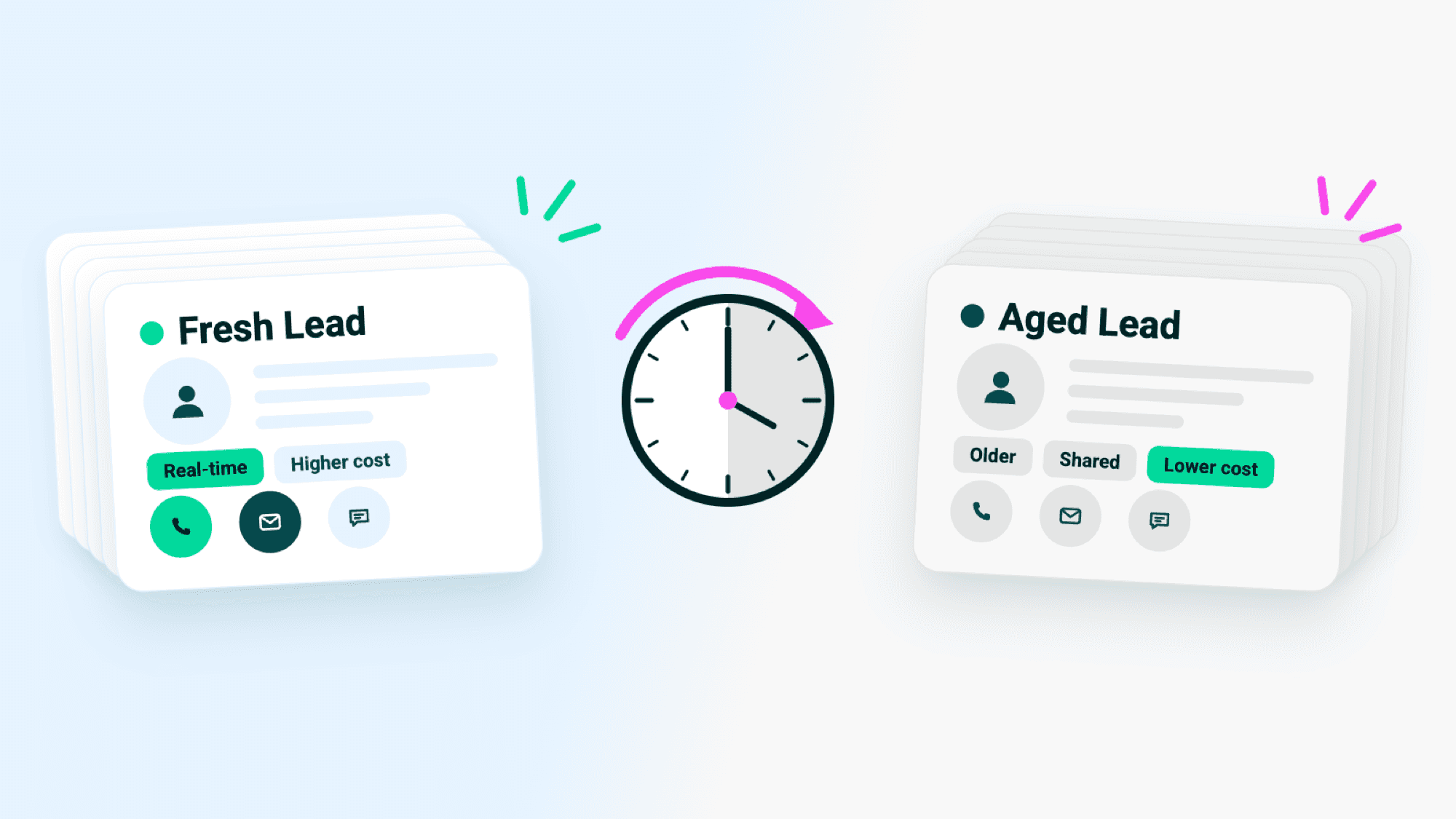
Aged leads are consumer inquiries generated days, weeks, or months before you buy them. Most were first sold in real time, then made available again later at a lower price. The person still asked about a product or service. They asked earlier, and some of them are still shopping.
Sellers usually group aged leads into age brackets, such as 30 to 60 days, 60 to 90 days, 90 to 180 days, or 180 days and older. Price falls as age rises.
Aged leads vs. real-time leads
The two lead types solve different problems, so they are priced, sold, and worked differently.
Real-time leads | Aged leads | |
|---|---|---|
When you receive it | Seconds after the form is submitted | Days to months later |
Price | Highest per lead | 70–90% lower |
Exclusivity | Exclusive, or shared with a few buyers | Usually shared |
Consumer status | Actively shopping right now | Still shopping, paused, or already bought |
How you win | Speed to the first call | Persistence across calls, texts, and email |
Real-time leads reward the fastest responder. Aged leads reward the most consistent one.
Do aged leads convert?
Yes, aged leads can convert, though typically at lower contact rates and a much lower cost per record. Aged leads work when your economics are driven by volume and CPA rather than contact rate.
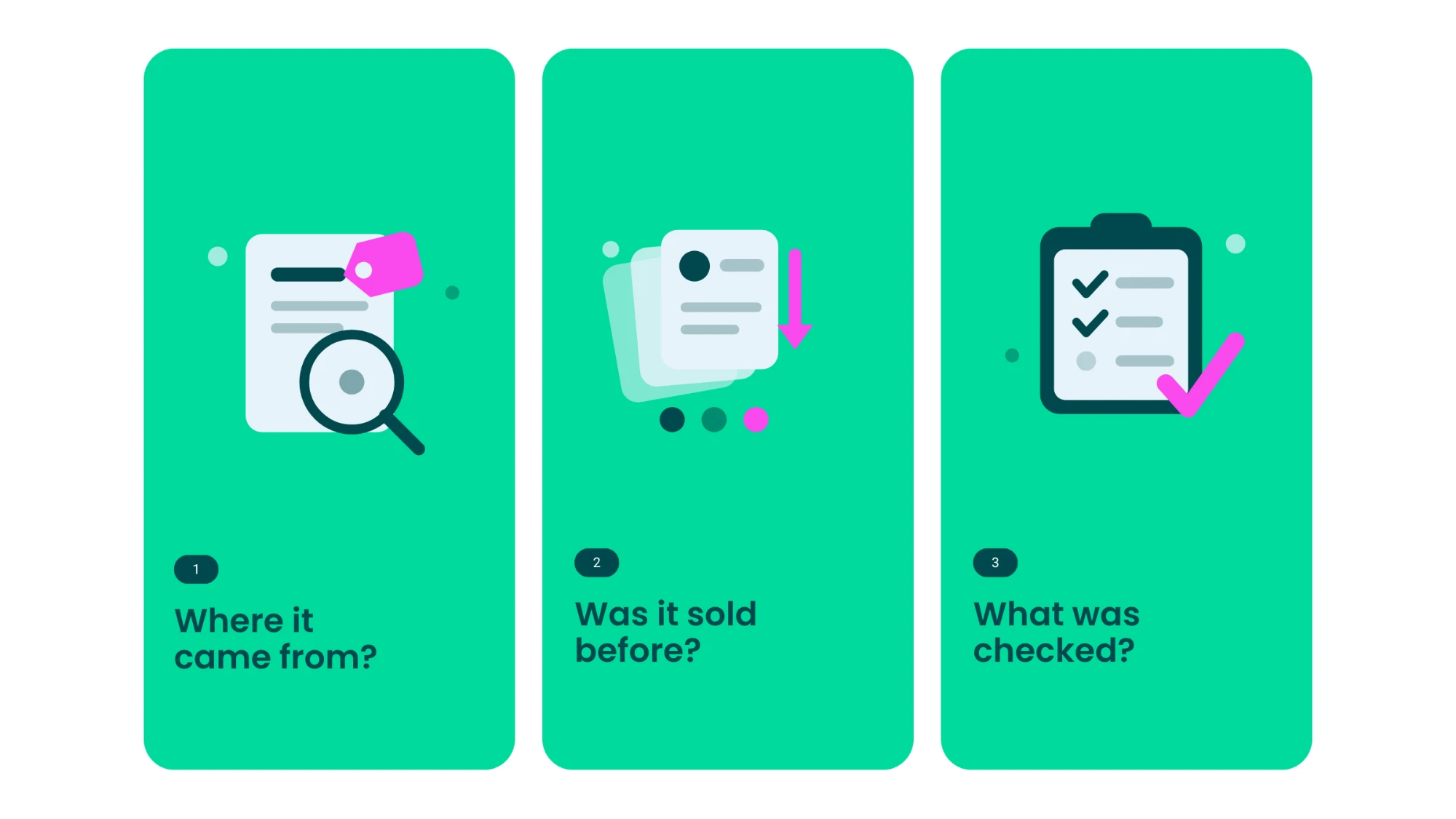
Below we share the three questions that decide whether aged leads perform best.
P.S.: Price is not one of them.
1. Ask where the lead came from
A publisher who cannot name the source behind a lead cannot tell you much about its quality either. Source identity makes it possible to measure which lead sources actually drive sales, instead of guessing.
What to do: Always require the source and sub-ID with the file.
2. Ask how many times it has been sold
The same lead can often go to more than one lead buyer, so a lead has usually been shared before it ever aged. What matters is how many buyers already worked it.
A transparent marketplace tracks the count per record, caps it, and holds its sources published quality standards.
What to do: Ask for the resale count on each record. “We do not track that” is itself an answer. Always ask for transparency and accountability.
3. Ask what runs before delivery, and what stays with you
Ask which checks run before a lead reaches you. Phone validation confirms the number is still live. A blacklist scrub pulls known litigators before your agents dial. A reassigned-number check catches numbers that changed hands since the opt-in, and older files hold more. PX runs a wider set of verification services for that reason.
Why older leads still buy
A lead going quiet after the first week rarely means the need went away. Common reasons older leads still convert:
Buying cycles run longer than one form. A homeowner comparing roofers or a family weighing insurance options can take weeks to decide.
The first buyer stopped calling. Real-time leads get a burst of attention in the first hour. Many buyers give up after a few attempts, and the consumer is left without an answer.
Life restarts the need. A renewal notice, a move, a failed inspection, or an enrollment period can bring someone back into the market.
There is less noise. By day 60, the rush of competing calls is over, so the conversation is calmer and more consultative.
How to work aged leads
Aged leads need a different playbook from real-time leads. These five steps cover the basics.
Confirm consent before any outreach. Check that the consent on file covers your company and the channels you plan to use, and scrub every list against Do Not Call registries. Lead verification services can handle both checks. Older consent raises questions under the TCPA and state telemarketing laws, so have your compliance team review the campaign first.
Open with a text or email. A short message that names what the person asked about gives them an easy way to reply on their own schedule. Follow with a call.
Acknowledge the gap. An honest opener works well: “You asked about home warranty coverage a while back. Are you still looking, or did you find something?”
Plan several touches over two to three weeks. Spread calls, texts, and emails out. With aged leads, persistence counts for more than speed.
Test at real volume before judging. One seller recommends 500 to 1,000 leads over 30 days to get meaningful contact and close data. A batch of 50 tells you very little.
What aged leads cost and how to measure ROI
Aged lead prices vary by vertical, age bracket, and filters such as location or homeownership. Measure aged leads by cost per acquisition: total spend divided by customers won.
Track that number by age bracket and by source. A 60-day bracket may produce customers at a lower cost than a 180-day bracket, even at a higher price per lead. Then compare aged lead cost per acquisition with your real-time sources to decide how much budget each deserves. For a method to trace spend through to sales, see which lead sources actually drive sales.
Who do aged leads work best for?
Aged leads fit some teams far better than others.
Call centers with idle time. Real-time volume comes in waves. Aged leads fill the gaps so agents stay on the phone.
Teams adding volume alongside other channels. Aged leads can run next to referrals, paid search, and real-time leads at a lower cost.
New campaigns and verticals. Testing scripts and offers on lower-cost leads is cheaper than learning on premium ones.
Small teams with little time for multi-touch follow-up usually get more from higher-quality real-time sources. Tracking performance by Sub-ID shows which sources are worth paying more for.
Buying aged leads on PX
The PX marketplace offers aged leads as one of its channels, alongside inbound calls, web leads, and click campaigns. Because you buy them in the same platform as the rest of your lead mix, you can compare aged lead cost per acquisition with your real-time sources side by side and shift budget toward whatever produces customers at the lowest cost.

Ready to take the lead?
Tell us a bit about your request and we’ll route it to the right team.